

colibr.org | Page 2
Home Blog Page 2

Rome on a Plate: Navigating the Eternal City’s Evolving Culinary Landscape

Peeling back the layers of Roman cuisine feels a bit like excavating a living ruin—except this dig site is alive with scooters, espresso shots, and the intoxicating aroma of simmering tomato sauce. Rome’s food scene is no museum piece; it’s a vibrant, ongoing dialogue between past and present, tradition and reinvention.

“Few cities have such a sharply defined culinary identity,” says Daniel Gritzer, editorial director at Serious Eats. “Rome isn’t just a food city—it’s a cookbook unto itself.” And not just one cookbook. Dozens. Possibly hundreds. The point is: Roman food doesn’t merely complement the city—it is the city.

From the cobblestone alleys of Trastevere to the bustling stalls of Testaccio, the dishes of Rome aren’t just meals; they’re edible echoes of emperors, artisans, nonnas, and revolutionaries. And yet, amid all that history, today’s Rome is being stirred by something new—fresh talent, bold ideas, and chefs with one eye on Nonna’s kitchen and the other on the future.

The Old Guard and the Hungry Pilgrims

There are two dominant forces shaping Roman cuisine today, and they orbit the same kitchen: locals fiercely protective of tradition, and travelers chasing the culinary legends they’ve read about in guidebooks and food blogs.

“There’s this gravitational pull,” explains Peter Barrett, food writer and former Roman resident. “On one hand, you’ve got visitors arriving with their must-eat lists—carbonara, amatriciana, gricia, cacio e pepe, pizza al taglio. And on the other, traditionalists who bristle at even a hint of deviation from the classics.”

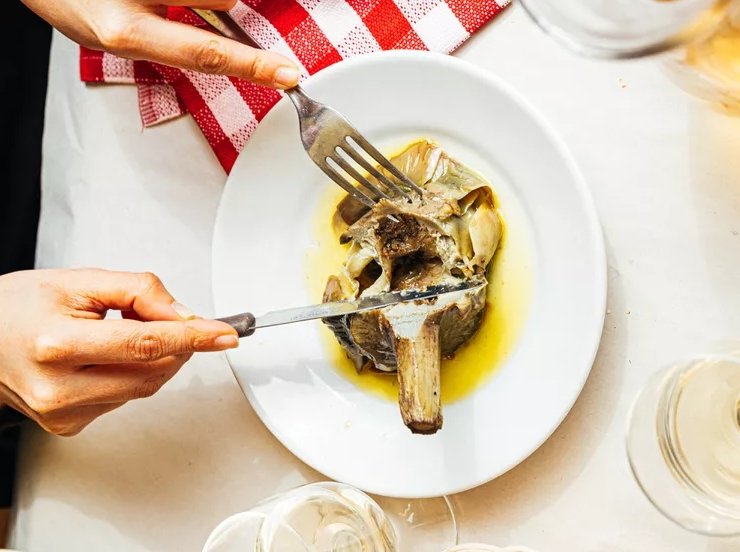
In Rome, food is sacred. It’s not just about ingredients—it’s about identity. Dishes like carciofi alla Romana (braised artichokes with herbs), supplì (gooey rice croquettes), and slow-simmered offal stew aren’t just recipes—they’re rites of passage. So when modern chefs experiment, they don’t just risk criticism; they risk cultural heresy.

A New Generation, A New Roman Table

And yet, something exciting is happening. A younger wave of Roman chefs is stepping onto the stage, honoring tradition but refusing to be tethered by it. They’re not tearing up the script; they’re writing new scenes.

Take the trapizzino, for example. A hybrid of triangular pizza pocket and stuffed sandwich, it’s become a symbol of modern Roman street food. Filled with traditional stews like pollo alla cacciatora or trippa alla romana, the trapizzino captures Rome’s soul food—but in a form that fits in your hand. It’s a nod to the past, served with present-day convenience and creativity.

These chefs are threading a delicate needle: keeping the core of Roman cooking—its earthy simplicity, its love for seasonal ingredients, its unapologetic richness—while introducing nuance, freshness, and sometimes even a little playfulness. The result? A city that still feeds your craving for the classics, but doesn’t stop there.

Tradition as a Launchpad, Not a Limitation

Rome has always been a layered city. Beneath its ornate churches lie pagan temples; beneath its modern plates lie millennia of culinary wisdom. But just as the city built new monuments atop ancient ruins, today’s chefs are building something new atop the foundation of tradition.

You’ll still find that dreamy bowl of pasta alla gricia at a trattoria where time seems to have stopped. But around the corner, you might discover a carbonara reimagined with cured egg yolk and smoky guanciale foam—delicious, irreverent, and undeniably Roman at its core.

And this spirit isn’t confined to pasta. Modern Roman bakeries are playing with sourdough and heirloom grains while still selling old-school maritozzi (sweet buns with whipped cream). Gelaterias infuse local herbs into their scoops. Even the humble pizza al taglio is getting a glow-up, with fermented doughs and inventive toppings that still speak the language of the piazza.

A Global City with Local Roots

Rome’s evolution is also fueled by its multicultural heartbeat. The Eternal City has long been a crossroads—for emperors, popes, refugees, and dreamers. Its Jewish community is one of the oldest in the world, and its influence on Roman food—particularly fried artichokes, aliciotti con indivia (anchovy and endive pie), and more—is deeply entrenched.

Today’s Rome continues to welcome newcomers, and the city’s palate reflects that. You’ll find chefs from across Italy and beyond bringing their own flavors, techniques, and traditions to the Roman table. The results are often beautiful collisions—classic Roman dishes with subtle global twists that feel right at home in this ever-changing city.

The Best Seat in the House? Yours.

Ultimately, what makes Rome such a remarkable food city isn’t just its history—it’s the way that history lives, breathes, and evolves. It’s in the trattoria where the chef still uses her grandmother’s recipe for oxtail stew. It’s in the sleek new wine bar serving natural wines alongside porchetta sliders. It’s in the hands of chefs and bakers and pasta-makers who understand that you don’t honor tradition by freezing it—you honor it by feeding it into the future.

So whether you’re savoring a velvety spoonful of cacio e pepe, biting into a flaky trapizzino, or discovering a reimagined Roman dessert with a dusting of lemon verbena, remember: you’re not just tasting food. You’re tasting a city’s soul—one that never stops cooking, and never stops changing.

In Rome, the past is always present—but so is what’s next. And the best part? You get to eat your way through both.

A Deep-Dish Love Letter to Chicago’s Most Iconic Eats

I’ve been eating my way through Chicago for nearly three decades, and somehow, the thrill never fades. Maybe it’s the city’s unique balance—a cosmopolitan food scene that still feels grounded, approachable, and wonderfully unpretentious. Here, you can walk into a neighborhood joint in your oldest jeans, order a plate of something extraordinary, and feel like you belong.

This is a city where global flavors live side by side with old-school classics. Where you can score a flaky Lithuanian bacon bun, spoon into Senegalese thieboudienne, or sink your teeth into a Serbian walnut cookie—sometimes all on the same block. Sure, we’ve got buzzy neighborhoods like the West Loop and Wicker Park, where Michelin stars sparkle. But my essential Chicago food tour leans toward soul-soothing comfort and character—dishes that carry stories, culture, and flavor in every bite.

Let’s dig into a few of the places that make this town taste like home.


Crisp: A Korean Spin on Comfort Food

Step into Crisp, and you’ll quickly realize this cheerful spot takes its chicken seriously. Piles of jumbo wings and drumsticks are standard issue here, crispy and golden beneath a glossy coat of soy-ginger Seoul Sassy sauce. The crackly skin gives way to tender, flavorful meat—and suddenly you understand why everyone in the room looks like they’re having a spiritual experience with poultry.

But it’s not just about the bird. Crisp’s Buddha Bowls—modern riffs on Korean bibimbap—are just as crave-worthy. My go-to is the Bad Boy Buddha: a vibrant mountain of marinated veggies over rice, crowned with a runny fried egg. Sweet, spicy, crunchy, soft—it’s a whole mood in a bowl.

2940 N Broadway | 773-697-7610


Dat Donut: Where Bigger Really Is Better

Long before gourmet doughnuts became Instagram darlings, Dat Donut was serving sweet, glazed glory on Chicago’s South Side. The crown jewel? The Big Dat. This palm-sized colossus clocks in at seven inches wide, yet it’s anything but heavy. The glaze shatters gently, revealing a light, spongy interior that defies its hulking size.

If you’re more into fillings, try the custard doughnut—a powdered-sugar-coated beauty with rich, eggy cream inside. Everything’s made fresh, 24 hours a day, six days a week. Watch the bakers roll and fry dough behind the glass, and you’ll understand why this spot has stayed beloved for decades.

8251 S Cottage Grove Ave | 773-723-1002


Margie’s Candies: Sundaes Straight Outta Time

Margie’s is pure vintage charm—jukeboxes, knickknacks, red booths, and sundaes that could bring Sinatra back to life. Since 1921, this ice cream parlor has served up nostalgia by the scoop, including to such patrons as Al Capone and The Beatles.

The sundae arrives grandly: scoops of butterfat-rich housemade ice cream in a clamshell bowl, a mountain of whipped cream, and a silver gravy boat of hot fudge on the side. That fudge—thick, dark, and just the right amount of sweet—is the stuff of legend. You might not finish the whole thing, but you’ll die trying.

1960 N Western Ave | 773-384-1035


Dove’s Luncheonette: Diner Meets Desert Heat

Dove’s is what happens when a retro diner marries Tex-Mex soul. Park yourself at the counter, sip coffee to a Curtis Mayfield soundtrack, and let the scent of chorizo gravy float over your shoulder.

This isn’t your average greasy spoon. Dishes like chicken-fried chicken smothered in spicy gravy or crispy potato hash with shishito peppers elevate comfort food to high art. And don’t sleep on breakfast—especially the granola-dusted flapjacks served in a skillet with bittersweet chocolate sauce. Bonus: tequila flows from sunrise to sundown, just as Dove Linkhorn (the hustler from Algren’s A Walk on the Wild Side, for whom the place is named) would have wanted.

1545 N Damen Ave | 773-645-4060


Giordano’s: Stuffed Pizza That Pulls No Punches

Think deep-dish is heavy? Wait ‘til you meet its bigger, bolder cousin: stuffed pizza. Giordano’s does it best, layering cheese between two crusts, then ladling tangy tomato sauce over the top. Each slice is a commitment—over half a pound, with crust that rises like a carb monument.

The Rush Street location is a people-watching paradise. Watch tourists’ eyes widen as the molten cheese stretches like a mozzarella waterfall. Some grab forks; others go full barbarian. Either way, it’s beautiful.

730 N Rush St | 312-951-0747


Hopleaf: Beer, Belgians, and the Best Sandwich in Town

Andersonville’s Hopleaf is a temple for beer lovers. With 68 taps and a bottle list that reads like a novel, it’s easy to get overwhelmed—but the food will keep you grounded.

Sure, the ale-steamed mussels are famous. But the CB&J—a gooey combo of cashew butter, fig jam, and raclette cheese grilled on sourdough—is the unsung hero. Add a side of peppery Stilton mac, and you’ve basically found nirvana. Warning: you will need napkins.

5148 N Clark St | 773-334-9851


The Green Mill: Jazz, Gin, and Gangster Lore

Capone’s favorite haunt still oozes speakeasy swagger. At the Green Mill, velvet booths curve under golden light, and martinis come stiff and classic—just gin, two olives, and a whiff of danger.

Live jazz rules the night, and poetry slams take over Sundays. If you’re lucky, someone might show you the trapdoor behind the bar that once led to bootlegger tunnels. And yes, you can sit in Capone’s booth—he liked to keep both doors in sight.

4802 N Broadway | 773-878-5552


Cafe Central: Where the Jibarito Was Born

Forget ciabatta—Chicago gave us the jibarito. Created in the ’90s by local legend Juan “Pete” Figueroa, this sandwich swaps bread for crisp-fried plantains and fills it with steak, cheese, lettuce, tomato, and garlicky mayo.

At Cafe Central, you get the real deal. No sky-high stacks or greasy rivers here—just a tidy, tender, totally devourable sandwich in a cozy mom-and-pop spot that’s been serving Puerto Rican comfort food since 1952.

1437 W Chicago Ave | 312-243-6776


Lou Mitchell’s: Breakfast with a Side of Americana

Open since 1923, Lou Mitchell’s is part Greek diner, part Route 66 museum, and 100% heart. From the waitresses who call you “sweetie” to the free donut holes while you wait in line, this place is old-school in all the right ways.

Order the feta omelette, thick-cut Greek toast, and a side of stewed prunes (trust me). By the time you’ve polished off your soft-serve dessert and gotten a box of Milk Duds on your way out, you’ll believe again in breakfast—and humanity.

565 W Jackson Blvd | 312-939-3111


Di’s Den: Where Chicago Keeps It Real

No fancy cocktails. No kale chips. Just a barstool, a beer, and a few die-hard Cubs fans yelling at the TV. Di’s Den is a true neighborhood spot on the Northwest Side where construction workers and nurses unwind with a High Life and a side of unfiltered commentary.

The dartboard sees more action than the jukebox—unless there’s a game on. Win or lose, Di herself might pour you an apple pie shot. Places like this are what keep Chicago honest.

5100 W Irving Park Rd | 773-736-7170

Old-School Charm, Modern Muscle: The Food Mill Still Earns Its Place in the Kitchen

It’s hard to remember a time when the hum of a blender or the steady whir of a food processor wasn’t part of the kitchen soundtrack. Today’s appliances are sleek, smart, and wildly efficient—taking the sweat and strain out of everything from chopping onions to whipping cream. (And let’s be honest, whipping cream by hand is a surefire way to turn dessert into an upper body workout. No thank you.)

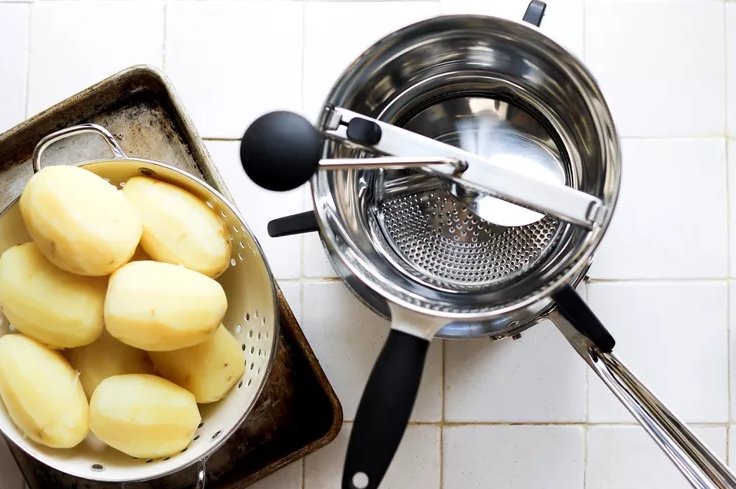
Yet, amid the technological marvels of the modern kitchen, one humble manual tool continues to earn its keep: the food mill. No buttons. No plugs. Just a simple crank, a perforated disk, and a time-tested design that hasn’t needed much tweaking over the decades.

Why the Food Mill Still Matters

Unlike blenders or processors, which pulverize ingredients with sharp blades, a food mill operates with a gentle press. The result? Purées that are smooth but not overly processed, with a velvety texture that still retains character. Think mashed potatoes that are pillowy but not gluey, or tomato sauce that’s silky without being soupy.

The magic lies in the way the food mill separates out skins, seeds, and fibrous bits while letting the good stuff glide through. It’s an old-school method, sure, but it’s also remarkably efficient—especially when you’re working with delicate ingredients that deserve a softer touch.

Putting Food Mills to the Test

To find out which models are really worth cranking, we got our hands dirty—literally. Our test team sifted through nine different food mills, using them to plow through 20 pounds of starchy potatoes and churn out batch after batch of fresh tomato sauce.

This wasn’t just a “toss in a few cherry tomatoes and call it a day” situation. We went full-on Sunday sauce mode, boiling, straining, and milling tomatoes like our nonnas were watching. With potatoes, we aimed for that perfect balance between creamy and fluffy—no gluey paste, no lumpy disappointment.

What we learned? Not all mills are created equal.

The Good, the Bad, and the Sludgy

Some mills impressed right out of the box—sturdy construction, easy assembly, and smooth cranking made the process feel almost relaxing. Others… not so much. One model had a handle that felt like it was trying to escape mid-use. Another struggled with anything thicker than tomato juice, turning what should have been a satisfying whirl into an arm workout with disappointing results.

Capacity also made a big difference. Larger bowls allowed for more efficient processing, while smaller ones had us constantly stopping to refill—frustrating when you’re deep into your sauce-making rhythm. And let’s not forget about cleanup. Models that could be quickly disassembled and rinsed were lifesavers, while others required the patience of a saint and the finger dexterity of a concert pianist.

So, Who Needs a Food Mill Anyway?

If you’re someone who enjoys cooking from scratch—especially when it comes to sauces, soups, or baby food—a food mill can be a real game changer. It’s particularly handy during peak harvest season, when you’re swimming in ripe tomatoes or planning to mash enough potatoes to feed a holiday crowd.

It also shines for people who want more control over texture. While blenders tend to turn everything into a smooth (sometimes too smooth) purée, the food mill leaves behind just enough texture to feel handcrafted. It’s also the best friend of anyone trying to avoid skins or seeds without the fuss of peeling or straining separately.

Final Thoughts: The Past Has a Place at the Table

Sure, the food mill might not have the instant gratification of an electric appliance. There’s no on/off switch, no turbo boost. But what it lacks in flash, it makes up for in finesse.

In a world of gadget overload, the food mill stands out by staying simple. It’s a throwback in the best possible way—reminding us that sometimes, the old methods still work best. Whether you’re a home cook with rustic sensibilities or just someone who loves a perfectly smooth purée, this tool deserves a permanent spot in your kitchen rotation.

The Ultimate Guide to Grilling Gear: 27 Must-Have Tools and Ingredients for the Perfect Cookout

Grilling has a unique way of bringing people together, whether you’re a seasoned pro or just beginning to explore the world of flame-kissed flavors. The intoxicating smell of grilled food, the sizzle as ingredients hit the grates, and the satisfying smoky finish all make grilling an experience like no other. Whether you’re looking to elevate your grilling game or simply need the best tools and ingredients for an unforgettable cookout, we’ve curated a list of 27 essentials that will have you grilling like a champion in no time.

From heat-resistant gloves to state-of-the-art pellet grills, these items span the spectrum of needs and budgets. Whether you’re just dipping your toe into grilling or you’re already an aficionado with years of experience, there’s something here for everyone.

1. Pellet Grills: The Pinnacle of Convenience and Flavor

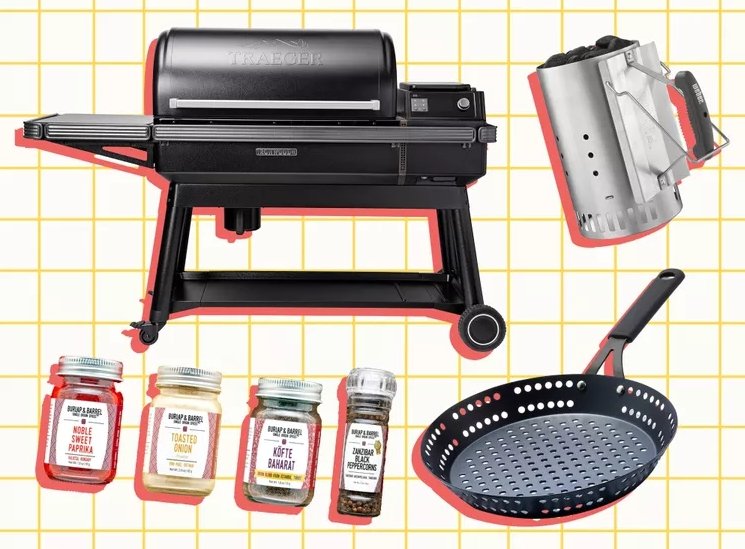
Pellet grills are an absolute game-changer in the grilling world, offering the convenience of precise temperature control with the unmistakable smokiness that’s central to good barbecue. If you’re looking to upgrade your grill, consider the Traeger Pro 575 Pellet Grill. This model excels with its Wi-Fi connectivity, allowing you to control the temperature remotely and check on your cooking from anywhere. It’s the perfect choice for those who love their low-and-slow smoked meats, and its ease of use makes it ideal for beginners who want to master smoking and grilling without the hassle of traditional charcoal.

2. Grill Thermometer: Perfect Doneness Every Time

The difference between a juicy steak and a dry one often comes down to precision. That’s where a high-quality instant-read thermometer comes in. The ThermoWorks Thermapen Mk4 is a fan favorite for its speed, accuracy, and easy-to-read digital display. Whether you’re grilling chicken breasts, steaks, or pork chops, this tool ensures that you hit the perfect temperature every time, eliminating any guesswork.

3. Cast Iron Grill Pan: Versatility at Its Best

For days when you can’t fire up the outdoor grill, a cast iron grill pan comes to the rescue. The Lodge Cast Iron Grill Pan heats evenly, sears meat beautifully, and is ideal for indoor grilling. It’s perfect for achieving those coveted grill marks on vegetables, fish, and even sandwiches. Plus, its durability makes it a kitchen workhorse for years to come.

4. Grill Gloves: Protect Your Hands from the Heat

Safety first! Heat-resistant gloves are a must-have for any grilling session, especially if you’re working with high heat. The Ozero BBQ Gloves are highly rated for their heat resistance and dexterity. With a five-finger design, these gloves allow you to handle hot items with ease, whether you’re flipping burgers or adjusting coals.

5. Grill Brush: Keep Your Grates Clean

A clean grill is a happy grill. The Weber 21-Inch Grill Brush is an excellent choice for keeping your grates spotless after each use. Its long handle keeps your hands safely away from the heat, while the heavy-duty bristles make it easy to remove residue. Cleaning your grill after each cookout not only extends its life but also ensures that flavors don’t build up, giving you a cleaner taste in every bite.

6. Wood Chips and Chunks: Infuse Smoky Flavors

While a pellet grill is great for long smokes, traditional charcoal grills can also benefit from the addition of wood chips or chunks. Adding hickory, applewood, or mesquite chips to your grilling setup can infuse meats with a variety of smoky flavors. Lumber Jack’s BBQ Wood Pellets are a top choice for anyone seeking that signature wood-fired taste.

7. Grilling Tools Set: Everything You Need in One Kit

A well-stocked grill tool set makes all the difference. The Cuisinart 20-Piece Deluxe Grill Set includes everything from tongs to a basting brush, and even a grill cleaning brush. This complete set ensures that you’re prepared for any grilling task, from flipping steaks to serving up grilled veggies, with everything neatly stored in a convenient carrying case.

8. Grilling Basket: Perfect for Veggies and Delicate Foods

Grilling small or delicate foods like shrimp, vegetables, or fish can be tricky on an open flame. The Weber Deluxe Grilling Basket is perfect for preventing food from slipping through the grates. Its large size accommodates a variety of ingredients, while the non-stick coating ensures easy cleanup. Plus, it’s incredibly versatile—great for both vegetables and seafood.

9. Marinade Injector: Inject Flavor Directly into Meat

For meats that need a flavor boost, a marinade injector is a fantastic tool. The Syracuse Real Deal BBQ Marinade Injector allows you to infuse your meats with marinades, seasonings, or even brine deep inside, ensuring every bite is packed with flavor. This is especially useful for thicker cuts like turkey or brisket that can sometimes miss out on the flavors of surface-only marinades.

10. Charcoal Chimney Starter: Get Your Charcoal Going Fast

There’s no reason to stand around waiting for your charcoal to light when you can use a charcoal chimney starter. The Weber Rapidfire Chimney Starter is an absolute game-changer, providing fast, even heat distribution. Simply stuff the bottom with newspaper, fill the top with charcoal, light the paper, and let the chimney do its work. Within minutes, you’ll be ready to cook.

11. Grilling Planks: A New Way to Cook Seafood

Grilling planks, like those made of cedar wood, add a delicious smoky flavor to fish and even veggies. The Cedar Grilling Planks by Plank Griller are a top choice, allowing you to achieve that perfectly wood-smoked taste, all while keeping delicate foods intact on the grill. Plus, they double as a serving platter!

12. Grill Basket for Kabobs: Perfect Skewers Every Time

If you’re into grilling kabobs, a grill basket is an essential tool. The Char-Broil 2-Piece Kabob Basket allows you to cook multiple skewers at once, flipping them with ease. It’s an excellent way to ensure that all your kabob ingredients—whether meat, veggies, or seafood—are evenly cooked and easy to manage.

13. Grill Mat: Avoid Mess and Keep Food from Sticking

If you’re worried about your food sticking to the grill or falling through the grates, a grill mat is your best friend. The Kona Best BBQ Grill Mat is made of durable non-stick material that prevents small foods from slipping through. It’s easy to clean, and it ensures that delicate foods like fish and eggs stay intact throughout the grilling process.

14. Grill Light: Don’t Stop Grilling When the Sun Sets

Grilling doesn’t have to stop when the sun sets, especially if you’ve got a grill light like the CAMPINGMOON Grill Light. With its adjustable arm, it provides bright, focused light on your grill even in the darkest conditions, allowing you to keep grilling long after the sun dips below the horizon.

The Best Champagne Glasses of 2025: Elevate Your Bubbly Experience

The effervescent pop of a Champagne cork and the delicate clink of glasses are synonymous with celebration, whether it’s a wedding, milestone, or a simple gathering of friends. While the flute has long been the traditional vessel for sparkling wines, wine experts are increasingly advocating for alternatives that enhance the tasting experience. To delve deeper into this topic, I tested nine Champagne glasses—including flutes, tulips, and universal wine glasses—to determine which best showcases the nuances of Champagne. Insights from Scott Carney, a master sommelier and Dean of Wine Studies at the Institute of Culinary Education, further informed this exploration.

Understanding the Glassware

Champagne glasses come in various shapes, each influencing the tasting experience:

  • Flute: Characterized by its tall, narrow bowl, the flute is designed to preserve carbonation and display bubbles. However, its narrow opening can limit the release of aromas, potentially muting the wine’s bouquet.
  • Tulip: This glass features a broader bowl that tapers towards the rim, allowing aromas to concentrate while still maintaining carbonation. Many sommeliers prefer tulip glasses for their ability to enhance the sensory experience.
  • Universal Wine Glass: A versatile option, the universal wine glass has a broader bowl suitable for both red and white wines. Some experts suggest it can also be effective for Champagne, offering ample space for aromas to develop.

Top Picks for 2025

  1. Riedel Performance Champagne Glass The Riedel Performance Champagne Glass stands out for its tulip shape, which effectively captures and funnels the wine’s aromas. The glass’s design allows for a balanced tasting experience, highlighting both the effervescence and the complex flavors of Champagne.
  2. Glasvin The Champagne Glass Known for its elegant design and functionality, the Glasvin Champagne Glass features a tulip shape that enhances aroma concentration. Its thin lip ensures a smooth pour, making it a favorite among enthusiasts seeking a refined tasting experience.
  3. Williams Sonoma Chateau Champagne Glasses For those seeking quality on a budget, the Williams Sonoma Chateau Champagne Glasses offer a tulip design that balances affordability with performance. Their sturdy construction and elegant appearance make them suitable for various occasions.
  4. Riedel VINUM Champagne Glass A classic choice, the Riedel VINUM Champagne Glass is a traditional flute that emphasizes bubble retention. While it may not capture aromas as effectively as tulip glasses, its design is ideal for those who appreciate the visual appeal of Champagne bubbles.
  5. Zalto Denk’Art Champagne Glass The Zalto Denk’Art Champagne Glass is a luxury option favored by sommeliers for its ability to enhance aroma and flavor. Its delicate, hand-blown design offers a sophisticated way to enjoy Champagne, though it requires careful handling due to its fragility.

Expert Insights

Scott Carney emphasizes the importance of glassware in the Champagne tasting experience. He notes that the shape of the glass can significantly influence how aromas are perceived, suggesting that tulip glasses are often the best choice for appreciating the complexities of sparkling wines.

Conclusion

Choosing the right Champagne glass can elevate your tasting experience, allowing you to fully appreciate the aromas and flavors of your bubbly. Whether you prefer the traditional flute or opt for a tulip or universal wine glass, selecting quality glassware tailored to your preferences will enhance every sip. Cheers to discovering the perfect glass for your next celebration!

The Art and Precision of Japanese Knives: A Guide to the Best Blades in 2025

For culinary enthusiasts and professionals alike, Japanese knives are more than mere tools—they are extensions of the chef’s hand, embodying centuries of craftsmanship and precision. The allure of these blades lies not only in their functionality but also in their design and the meticulous care that goes into their creation. With a myriad of options available, selecting the right Japanese knife can be a daunting task. To assist in this endeavor, here are some of the top Japanese knives of 2025, each offering unique features tailored to various culinary needs.

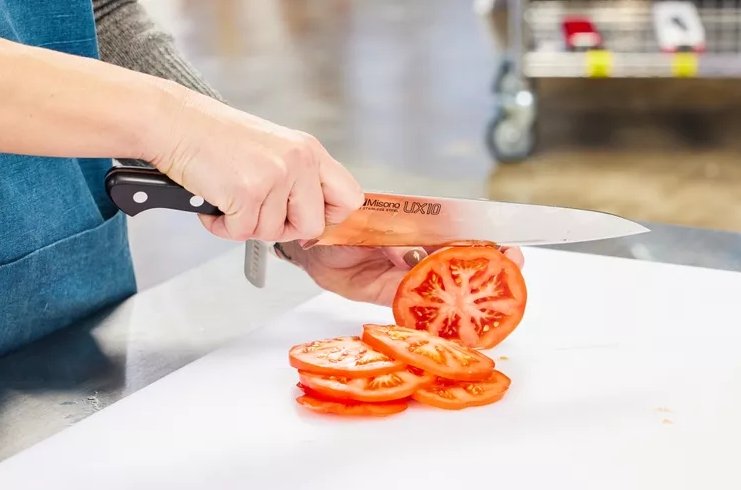
Misono UX10 8.2-Inch Gyutou

Renowned for its exceptional sharpness and balance, the Misono UX10 Gyutou is a favorite among both professional chefs and home cooks. The blade’s thin profile allows for precise cuts, making it ideal for slicing through meats and vegetables with ease. Its ergonomic handle ensures comfort during prolonged use, while the high-carbon stainless steel construction offers durability and resistance to rust.

Misono Carbon Steel Gyuto

For those who appreciate the traditional qualities of carbon steel, the Misono Carbon Steel Gyuto stands out. Known for its ability to achieve an incredibly sharp edge, this knife requires proper maintenance to prevent rusting. However, its performance in the kitchen is unparalleled, delivering clean cuts and a satisfying tactile feedback with each use.

Kai Seki Deba Knife

Specially designed for filleting fish, the Kai Seki Deba Knife features a thick, single-beveled blade that excels in precision tasks. Its robust construction allows for clean cuts through fish bones, making it an essential tool for sushi and sashimi preparation. The knife’s design reflects traditional Japanese aesthetics, combining functionality with elegance.

Mac Knife Hollow Edge Santoku

The Mac Knife Hollow Edge Santoku is a versatile all-purpose knife suitable for a variety of kitchen tasks. Its lightweight design and sharp edge make chopping, dicing, and slicing effortless. The hollow edge creates air pockets that reduce drag, allowing for smoother cuts and minimizing food sticking to the blade.

Tojiro 6.7-Inch Santoku

An excellent choice for those new to Japanese knives, the Tojiro Santoku offers a balance of quality and affordability. Its well-crafted VG-10 steel blade provides sharpness and edge retention, while the comfortable handle ensures ease of use. This knife is a great introduction to the world of Japanese cutlery without a significant financial commitment.

Tojiro Fujita Nakiri Knife

Ideal for vegetable preparation, the Tojiro Fujita Nakiri Knife features a straight-edged blade that facilitates precise chopping and slicing. Its flat profile allows for full contact with the cutting board, ensuring uniform cuts. The knife’s lightweight design and sharp edge make it a favorite among those who frequently prepare vegetables.

Miyabi Artisan 8″ Chef Knife

The Miyabi Artisan Chef Knife exemplifies the fusion of traditional Japanese craftsmanship and modern technology. Its SG2 micro-carbide powder steel core is clad in layers of stainless steel, resulting in a blade that is both sharp and durable. The hammered Tsuchime finish not only enhances the knife’s aesthetic appeal but also reduces drag during cutting.

Kikuichi Elite Warikomi Damascus Tsuchime 7″ Santoku Knife

This knife combines the best of both worlds—a Western-style handle with a Japanese blade. The Kikuichi Elite Warikomi Damascus Santoku Knife features a Damascus-clad blade that offers both beauty and performance. Its sharp edge and balanced design make it suitable for a variety of kitchen tasks, from chopping vegetables to slicing meats.

Shun Classic 8-Inch Chef’s Knife

The Shun Classic Chef’s Knife is a versatile tool that can handle a wide range of kitchen tasks. Its VG-MAX steel blade is clad in Damascus stainless steel, providing both sharpness and durability. The ergonomic PakkaWood handle ensures comfort during use, while the knife’s lightweight design allows for precise control.

Takamura Migaki R2 Gyuto

For those seeking a blend of modern technology and traditional craftsmanship, the Takamura Migaki R2 Gyuto offers exceptional performance. Its R2 powdered steel core delivers a razor-sharp edge, while the sleek design and durable handle showcase the marriage of innovation and time-honored techniques.

Conclusion

Japanese knives are a testament to the artistry and precision of their makers. Whether you’re a professional chef or a home cook, investing in a quality Japanese knife can elevate your culinary experience. Each of the knives listed above offers unique features tailored to various cooking styles and preferences. By understanding the specific qualities of these blades, you can select the one that best suits your needs, ensuring that every cut is a masterpiece.

The Allure and Practicality of Copper Cookware: A Comprehensive Guide

For many home cooks and culinary enthusiasts, copper cookware represents the pinnacle of kitchen sophistication. Its gleaming surface and exceptional heat conductivity make it a coveted addition to any kitchen. However, before investing in this luxurious cookware, it’s essential to understand both its advantages and limitations.

Understanding Copper Cookware

Copper is renowned for its rapid and even heat distribution. This characteristic allows for precise temperature control, which is particularly beneficial when preparing delicate sauces, caramel, or chocolate. The metal’s responsiveness ensures that the cooking process is both efficient and consistent.

Despite its advantages, copper cookware is not without its challenges. The material is highly reactive, meaning it can interact with certain foods, especially acidic ones like tomatoes or citrus. This reactivity can alter the taste and color of dishes. To mitigate this, many copper pots and pans are lined with non-reactive materials such as stainless steel or tin. However, over time, these linings can wear down, necessitating maintenance or replacement.

Pros of Copper Cookware

  1. Exceptional Heat Conductivity: Copper’s ability to heat up quickly and cool down rapidly provides cooks with precise control over cooking temperatures.
  2. Aesthetic Appeal: The lustrous appearance of copper cookware adds a touch of elegance to any kitchen, making it a favorite among those who appreciate culinary aesthetics.
  3. Durability: With proper care, copper cookware can last for generations, making it a worthwhile investment for serious cooks.
  4. Even Cooking: The uniform heat distribution ensures that food cooks evenly, reducing the risk of hot spots that can lead to uneven cooking.

Cons of Copper Cookware

  1. High Cost: Genuine copper cookware is often expensive, with prices ranging from several hundred to thousands of dollars, depending on the brand and craftsmanship.
  2. Maintenance Requirements: Copper cookware requires regular cleaning and polishing to maintain its shine and prevent tarnishing. Additionally, the linings can wear out over time, requiring upkeep.
  3. Reactivity: As mentioned, copper can react with certain foods, potentially altering their taste and color. This is why many copper pots and pans are lined with other materials.
  4. Weight: Copper cookware can be heavier than other types, which might be a consideration for some users.

Top Copper Cookware Sets to Consider

For those interested in investing in copper cookware, here are some highly regarded options:

  • Mauviel M’150S Copper Cookware Set: Known for its exceptional heat conductivity and classic design, this set is a favorite among professional chefs.
  • All-Clad Copper Core Cookware Set: Combining the benefits of copper with the durability of stainless steel, this set offers excellent performance and longevity.
  • Falk Culinair Copper Cookware: Handmade in Belgium, Falk’s cookware is renowned for its craftsmanship and even heat distribution.

Tips for Maintaining Copper Cookware

To ensure the longevity of your copper cookware:

  • Regular Cleaning: Hand wash with mild soap and warm water. Avoid using abrasive materials that can scratch the surface.
  • Polishing: Use a specialized copper polish or a mixture of lemon juice and salt to maintain the cookware’s shine.
  • Storage: Store copper pots and pans in a dry place to prevent tarnishing. Using protective pads can prevent scratches when stacking.

Conclusion

Copper cookware offers unparalleled performance and aesthetic appeal, making it a valuable addition to any serious cook’s kitchen. While it requires a higher initial investment and more maintenance than other materials, its benefits can make it worthwhile for those passionate about cooking. By understanding its pros and cons and choosing the right set, you can enjoy the advantages of copper cookware for years to come.

Brewed to Perfection: Why the Breville Smart Grinder Pro Earned a Spot on My Counter

When it comes to coffee gear, I’m a firm believer in the trifecta of performance, usability, and aesthetics. After all, if a machine is going to live on my kitchen counter—next to the fruit bowl and within arm’s reach of the toaster—it needs to do more than just function. It needs to earn its keep in looks and ease of use. That’s where the Breville Smart Grinder Pro steps in.

Now, I’ll be honest: I didn’t fall for this grinder because of a detailed spec sheet or some barista-grade endorsement. I was swayed the minute I saw it in matte green Olive Tapenade. Yes, I’m aware this might make me sound superficial, but it’s not every day you find a countertop appliance that blends style with serious coffee credentials. And for those with different design leanings, it’s available in six other shades, all equally easy on the eyes.

Beyond the Pretty Face: Performance that Holds Its Ground

The Smart Grinder Pro doesn’t just sit there looking chic—it actually delivers. With 60 distinct grind settings, this machine makes it clear that it’s built for coffee lovers of every stripe. Whether you’re brewing a rich French press, dialing in your morning pour-over, or going for a classic drip, it’s got you covered. (A caveat for espresso lovers: while the machine does list espresso as one of its options, the grind consistency at the ultra-fine end isn’t quite on par with dedicated espresso grinders. If you’re pulling shots like a pro, you might want to look elsewhere.)

But for the everyday drinker who just wants great coffee at home, the Breville hits a sweet spot: reliable, repeatable, and really easy to use.

User-Friendly to the Core

Breville’s smart design really shines when it comes to usability. The digital interface is bright and intuitive. It suggests grind sizes based on brewing method, displays a countdown timer, and makes adjusting settings via a knob on the right side feel oddly satisfying. Everything’s labeled clearly—no deciphering cryptic icons or pushing random buttons to see what happens.

One of my favorite features is the catch bin. It’s surprisingly well-designed, with a small opening for the grounds, a snug lid, and even a stopper you can use to transport your coffee without spills. This simple feature keeps the countertop cleaner than any grinder I’ve owned before—and let’s face it, nobody enjoys wiping up coffee dust first thing in the morning.

Cleaning Made Painless

Unlike some grinders that seem to trap every last speck of coffee in unreachable crevices, the Breville is refreshingly straightforward to clean. You can twist off the hopper and access the burrs with minimal effort—great news for anyone who knows that grinder maintenance is essential, but sometimes hard to commit to.

The Verdict: Grinder Goals Achieved

Before settling on the Smart Grinder Pro, I tested and researched more coffee grinders than I care to admit. Baratza’s offerings topped many expert lists (and rightfully so), but I found the grind on the Breville to be just as consistent for my everyday use. Its slightly finer range actually worked better for my favorite brews.

And then there’s that feeling of finally finding a tool that fits seamlessly into your life—not just functionally, but visually and emotionally. The Breville Smart Grinder Pro hasn’t just improved my morning coffee ritual—it’s ended my long, exhausting grinder quest.

So if you’re looking for a grinder that’s smart, stylish, and smooth in operation, the Breville might just be your perfect match. Bonus points if you also geek out over kitchen aesthetics.

How to Choose, Store, and Cook Lobster Like a New Englander

​As a native New Englander, lobster isn’t just a delicacy; it’s a rite of passage. From lobster rolls to clam bakes, this crustacean is woven into the fabric of our coastal culture. However, as someone with a mild lobster allergy, each bite is a calculated risk, making it all the more crucial to ensure that every morsel is worth the indulgence. This means paying meticulous attention to every step of the process—from selecting the right lobster to proper storage and cooking techniques.​

Selecting the Right Lobster

When purchasing lobster, the first decision is choosing between the two primary species available:​

  • Maine Lobster (American Lobster): Found in the cold Atlantic waters off the northeastern U.S. and Canada, Maine lobsters are renowned for their sweet, tender meat, particularly the claws and knuckles. These lobsters are typically sold live, ensuring freshness and optimal flavor.​
  • Spiny Lobster: Native to warmer waters such as the Caribbean, Mediterranean, and parts of the Pacific, spiny lobsters lack the large claws of their Maine counterparts. Their meat is firmer and slightly chewier, with a more pronounced briny flavor. Spiny lobsters are often sold frozen, especially in tail form, due to their habitat and fishing methods.​

Beyond species, consider the lobster’s shell condition:​

  • Hard-Shell Lobsters: These lobsters have a fully hardened exoskeleton, offering a higher yield of meat. They are more challenging to shuck but are ideal for those seeking a more substantial lobster experience.​
  • Soft-Shell Lobsters: Recently molted, these lobsters have a softer shell, making them easier to shuck. While they may have slightly less meat, many find their flavor to be sweeter and more delicate.​

Storing Lobster

Live lobsters should be kept in a cool, moist environment, ideally in a refrigerator, and covered with a damp cloth. Avoid storing them in freshwater, as it can be harmful. It’s best to cook them within 12 to 18 hours of purchase to ensure freshness. If you need to store cooked lobster, keep it in an airtight container in the refrigerator and consume it within two days.​

Cooking Lobster

The method of cooking can significantly impact the lobster’s flavor and texture. Boiling is a traditional approach, but steaming is often preferred to retain more flavor. For a smoky twist, grilling lobster tails can impart a unique taste. Regardless of the method, it’s essential to avoid overcooking, as this can lead to tough, rubbery meat.​

Enhancing the Lobster Experience

To elevate your lobster dish, consider pairing it with complementary sides and beverages. A classic lobster roll features tender lobster meat lightly dressed with mayonnaise or butter, served in a toasted bun. For a more decadent option, lobster mac and cheese combines rich, creamy cheese sauce with succulent lobster pieces. As for beverages, a crisp white wine or a cold beer can enhance the lobster’s natural sweetness.​

Final Thoughts

Lobster is more than just a meal; it’s an experience. By understanding the nuances of selecting, storing, and cooking lobster, you can ensure that each bite is as delightful as the last. Whether you’re a seasoned lobster enthusiast or a newcomer, approaching lobster with care and attention will lead to a memorable dining experience.

Green Gold: The Irresistible Charm and Versatility of Pistachio Cream

​In a world where Nutella has long reigned supreme as the go-to sweet spread, a new contender has emerged, capturing the hearts and taste buds of many: pistachio cream. This luscious, green spread offers a delightful departure from the familiar, boasting a rich, nutty flavor and a creamy texture that elevates a variety of dishes.​

What Is Pistachio Cream?

Pistachio cream, often referred to as “crema al pistacchio” in Italy, is a sweet spread made from a blend of pistachios, sugar, and oils, processed into a smooth, spreadable consistency. Unlike pistachio butter, which is typically unsweetened and made by grinding pistachios into a paste, pistachio cream incorporates additional ingredients to achieve its sweet and creamy profile. It’s also distinct from pistachio pesto, which is savory and used as a sauce for pasta.​

The most renowned pistachios come from Bronte, Sicily, often referred to as “green gold” for their exceptional quality. These pistachios are the cornerstone of many artisanal pistachio creams, prized for their vibrant color and intense flavor.​

Where to Find Pistachio Cream

While pistachio cream’s popularity is on the rise, it may not be readily available in all grocery stores. In the United States, specialty food stores and high-end grocers like Whole Foods are more likely to carry it. Online retailers also offer a variety of brands, including Marullo and Campo d’Oro, which are highly regarded for their quality. Some enthusiasts have even found it at Costco, where it’s sold at a more affordable price point, though availability can vary by location.​

Creative Ways to Enjoy Pistachio Cream

Pistachio cream’s versatility makes it a delightful addition to both sweet and savory dishes. Here are some ideas to incorporate this delectable spread into your meals:​

  • Breakfast Treats: Spread it on warm toast, bagels, or croissants for a luxurious start to your day. It also pairs wonderfully with oatmeal or yogurt, adding a nutty sweetness.
  • Dessert Delights: Use it as a filling for pastries, cakes, or cookies. It’s also a fantastic topping for ice cream or gelato, providing a rich, creamy contrast to the cold dessert.
  • Savory Surprises: Incorporate it into savory dishes by stirring it into pasta sauces for a creamy texture, or using it as a topping for grilled meats and vegetables. Its unique flavor can add depth to a variety of savory recipes.​

Making Pistachio Cream at Home

For those who enjoy culinary adventures, making pistachio cream at home is a rewarding endeavor. A simple recipe involves blending shelled pistachios with white chocolate and a bit of milk until smooth. This homemade version allows you to adjust sweetness levels and achieve the desired consistency. Homemade pistachio cream can be stored in the refrigerator for up to two weeks, making it a convenient and delicious addition to your kitchen repertoire.​

Conclusion

Pistachio cream offers a delightful twist on traditional sweet spreads, bringing a unique flavor and creamy texture to a variety of dishes. Whether you’re spreading it on toast, filling pastries, or incorporating it into savory recipes, this versatile spread is sure to elevate your culinary creations. Its growing availability makes it easier than ever to enjoy, so why not indulge in the nutty goodness of pistachio cream today?