

colibr.org | Page 5
Home Blog Page 5

Spring Forward: A Celebration of Seasonal Salads

Every year, when the first signs of spring start to nudge winter out the door, my kitchen habits shift entirely. Hearty stews and simmered suppers give way to something crisper, greener, and undeniably lighter. My husband teases that he doesn’t even bother asking what’s for dinner anymore—he already knows the answer: vegetables. And not just any vegetables, but the fresh, fleeting stars of spring.

Spring is a season that offers a rare kind of abundance—brief, beautiful, and full of promise. Tender greens, sweet peas, peppery herbs, and delicate alliums flood the markets, begging to be turned into something fresh. And while I’ll happily throw them into pastas, grain bowls, or even scrambled eggs, they most often end up in what has become my springtime staple: the salad.

But don’t let the word salad fool you—these aren’t sad desk lunches or limp side dishes. These are salads that celebrate the best of the season, bold with flavor and rich with texture. From creamy labneh pairings to crunchy pita croutons, each dish is designed to let spring shine.

Here are some of my go-to salads that embrace everything spring has to offer.


Spring Vegetable and Arugula Salad with Labneh and Cucumbers

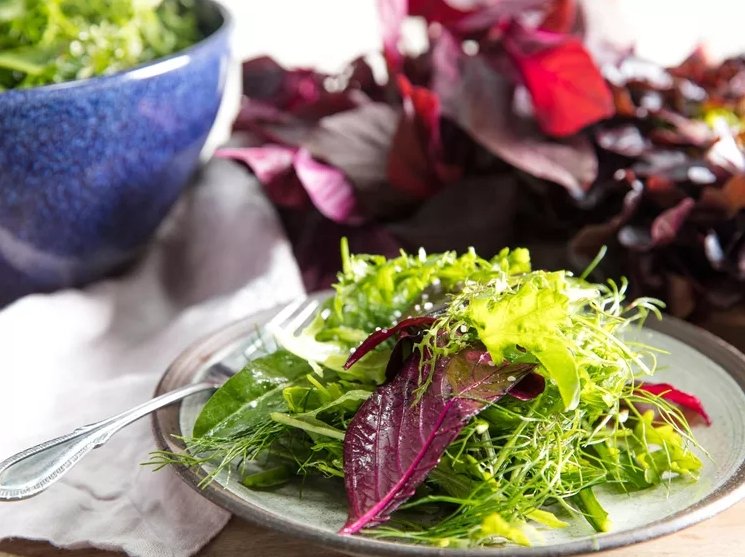
This salad is proof that simplicity, when done right, can be stunning. The foundation is a smooth layer of labneh—a thick, tangy yogurt cheese that gives this dish richness and contrast. On top of that, I pile a rainbow of blanched spring vegetables (think snap peas, asparagus, baby carrots) and thinly sliced cucumbers that have been quickly salted for added crunch.

A mustardy lemon vinaigrette ties it all together, cutting through the creamy labneh and waking up the vegetables. It’s elegant, refreshing, and endlessly customizable depending on what you’ve just picked up from the market.

Pro tip: Keep a stash of blanched vegetables in the fridge. They’re the ultimate spring salad cheat—ready to go and still full of snap.


Roasted Oyster Mushroom and Watercress Salad

This salad leans a little more earthy and robust, making it perfect for those still-chilly spring evenings. Oyster mushrooms, when roasted until golden, take on a meaty chew and a deep umami flavor. Pair them with watercress, whose peppery bite balances the richness of the mushrooms, and suddenly you’ve got a dish that eats like a meal.

Shaved cheese—think aged goat cheese or a salty pecorino—adds the finishing touch, melting ever so slightly over the warm mushrooms and greens.

It’s a salad that proves that spring doesn’t always have to mean light and delicate. Sometimes, it’s about depth and texture too.


Fattoush (Chopped Vegetable and Pita Salad)

No spring salad roundup would be complete without a good chopped salad, and fattoush is one of the greats. It’s crunchy, colorful, and incredibly satisfying. The foundation is toasted pita—golden and crisp—combined with a medley of chopped cucumbers, tomatoes, radishes, and herbs like mint and parsley.

But what sets this salad apart is the dressing: a zippy mix of lemon juice and pomegranate molasses that adds tang and sweetness in equal measure. Add in a handful of seared halloumi or a sprinkle of sumac for an extra punch.

It’s the kind of salad that doesn’t sit politely on the side of your plate—it demands center stage.


Salade Lyonnaise (Warm Bacon and Poached Egg Salad)

There’s something deeply comforting about a warm salad, and Salade Lyonnaise is the definition of French bistro comfort. Bitter greens—traditionally frisée, but escarole or dandelion work too—are tossed in a warm vinaigrette made with the rendered fat of crisped lardons (or thick-cut bacon if you’re stateside).

Topped with a softly poached egg, this salad is all about contrasts: the crunch of bacon, the silkiness of the yolk, the sharp bite of the greens, and the gentle heat of shallots sautéed in bacon fat.

It’s indulgent, yes—but still very much a salad, and a gorgeous one at that.


Spring Salads, Elevated

What I love most about spring salads is that they feel like a return. A return to brightness, to freshness, to meals that don’t require hours over the stove. But also a return to joy in the kitchen—because there’s something deeply satisfying about transforming raw, vibrant ingredients into something beautiful.

These salads are more than just a way to eat your greens. They’re an invitation to celebrate the season’s best, to linger over your produce, and to maybe even surprise yourself with how deeply satisfying a plate of vegetables can be.

So go ahead—stock your fridge with herbs and lettuces, scout out the best ramps and radishes you can find, and give your mandoline a workout. With salads like these, you won’t miss the stews one bit.
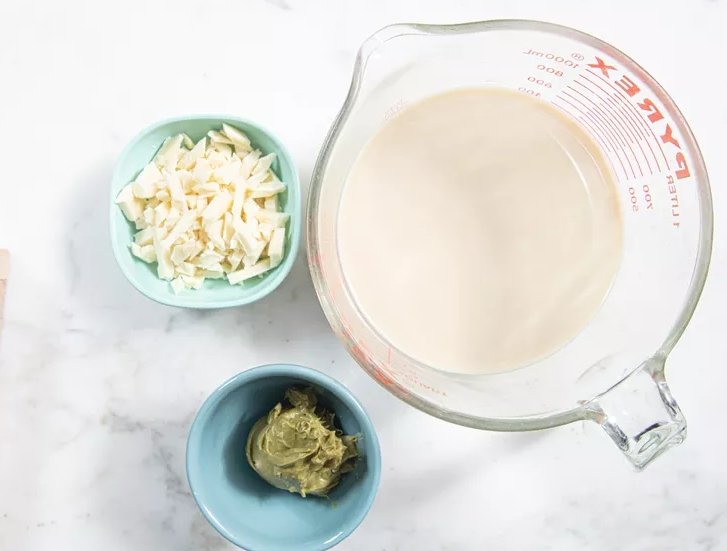
Pistachio Obsession: A White Hot Chocolate for the Ages

There are certain ingredients that quietly sneak their way into your kitchen and, before you know it, become essentials. For me, pistachio cream was that ingredient—the green, velvety spread that I stumbled upon in a specialty foods shop and haven’t stopped dreaming about since. It’s rich, nutty, and subtly sweet, and it instantly earned a permanent spot in my pantry. What started as a novelty quickly became a fixture, and I’ve used it in everything from toast toppings to elegant desserts.

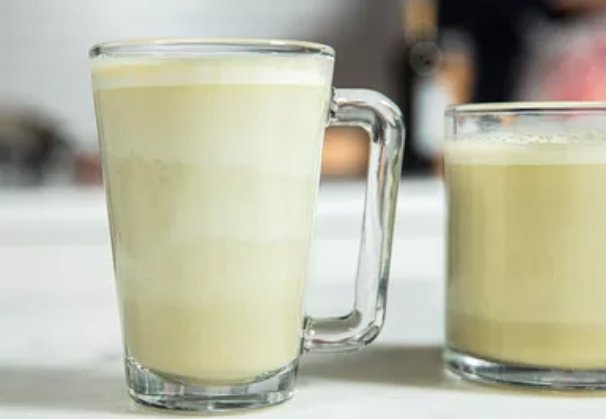
But recently, my pistachio affection expanded even further with the discovery of pistachio milk. That’s right—milk. And while I fully expected to enjoy it, I wasn’t prepared to fall head over heels. Mildly sweet with an earthy depth, pistachio milk has become my go-to pour in tea, coffee, and now, my favorite cold-weather indulgence: white hot chocolate infused with pistachio cream and finished with a cloud-like cap of cold foam.

This drink is comfort and luxury in a mug. It’s sweet but complex, creamy yet light, and offers a whole new reason to fall in love with pistachios.


What Is Pistachio Milk, Anyway?

Pistachio milk is a plant-based alternative made by blending pistachios with water—sometimes with added vitamins and emulsifiers for texture and shelf life. Visually, it’s a soft beige-green and doesn’t try to pass for dairy. Flavor-wise, it’s a standout: nuttier and toastier than almond milk, and while not quite as rich as cashew milk, it holds its own in terms of mouthfeel and body.

It’s not just a background player in your coffee or smoothies either—it brings personality. You’ll actually taste the pistachio in anything you add it to, and that’s a good thing. Right now, it’s still relatively niche (brands like Táche and Elmhurst are leading the pack), but don’t be surprised if pistachio milk becomes the next big thing in the plant-based world.


Pistachio Cream + Pistachio Milk = A Dreamy Duo

One day, staring at the half-full jar of Pistacchiosa pistachio cream I’d somehow managed not to polish off in a week, I had a lightbulb moment: why not double down and combine it with pistachio milk in a hot chocolate? I’d often swirled a spoonful of Nutella into my cocoa—why should pistachio cream be any different?

The result? Pure decadence.

A note of caution here: not all pistachio creams are created equal. Some are sweeter than others, and some have added salt, so it’s worth tasting yours before dumping it into the pot. You may need to adjust the salt or sugar in your drink depending on the brand.


Choosing the Right White Chocolate

I’ve never considered myself a white chocolate evangelist. In fact, I often side-eye it at the dessert table. But here, white chocolate plays an essential supporting role. It melts beautifully into the warm pistachio milk, lending body and richness without overwhelming the nutty profile.

Not all white chocolates are up to the task. Steer clear of chips, which often contain stabilizers that prevent them from melting properly. Instead, go for a good-quality white chocolate bar—something with real cocoa butter and minimal additives. The chocolate should integrate smoothly, thickening the drink just enough and enhancing its creamy texture.

And for the skeptics: yes, white chocolate is chocolate. It’s made from cacao, just without the cocoa solids. So pour without guilt.


The Cold Foam That Changed Everything

Now, let’s talk toppings. A dollop of whipped cream is classic, sure, but I always found it floated a little too independently on top of my drink—like it never fully committed. I wanted a topping that joined the drink, not just sat on it.

Enter cold foam. Once the domain of trendy coffee chains, cold foam is shockingly simple to make at home—and it’s a game changer. A quick blitz of half-and-half in a frother, immersion blender, or personal blender transforms it into a silky blanket of micro-bubbles that nestle right into the surface of your drink. It’s light, airy, and texturally perfect, offering just enough creaminess without overpowering the delicate pistachio flavor.

The key here is timing: blend until soft peaks form, then stop. Over-whipping will collapse the foam before it hits your cup. Pour it gently over the top, and watch it drift and swirl into the hot chocolate beneath.


A Mug of Something Magical

This pistachio white hot chocolate isn’t your average winter warmer. It’s nuanced, nutty, and just indulgent enough to feel like a treat without being cloying. Each component—the pistachio milk, the creamy pistachio butter, the elegant white chocolate, the feathery cold foam—comes together in perfect harmony.

It’s also a drink that sparks conversation. Whether you’re cozying up with a book or serving guests something a little different after dinner, this cup of pistachio magic is bound to impress. And if you’re already a pistachio fan, prepare to fall even deeper in love.

So the next time the temperature dips and you’re craving something warm and wonderful, skip the standard hot cocoa and give this nutty twist a try. One sip, and you might just find yourself stocking up on pistachio milk and cream—for good.

Comfort Food Without Compromise: Delicious Dinners for Gluten-Free and Dairy-Free Living

Eating gluten-free or dairy-free—or both—can sometimes feel like navigating a culinary minefield. Favorite comfort foods might suddenly feel off-limits, and it’s easy to assume that what’s left are bland, second-best substitutions. But here’s the good news: going gluten- or dairy-free doesn’t have to mean giving up bold flavors, satisfying textures, or nourishing, home-cooked meals. In fact, with the right approach and a few well-tested recipes, you can enjoy dinners that are every bit as comforting and delicious as the classics you know and love.

Whether you’re managing an intolerance, cooking for someone with dietary restrictions, or simply exploring a new way of eating, there’s a world of naturally gluten- and dairy-free recipes out there—meals that are thoughtfully crafted, not cobbled together as afterthoughts. From rich curries to hearty stews, vibrant rice dishes, and even indulgent pasta alternatives, it’s possible to eat well without compromise.

Here’s how to bring some of that flavor and comfort back to your dinner table—no gluten, no dairy, no problem.


1. Curries: Layers of Flavor, No Missing Ingredients

Curries are a natural go-to when you’re avoiding gluten and dairy. Many traditional recipes rely on coconut milk instead of cream, and the layers of spices, aromatics, and fresh herbs ensure deep, soul-warming flavor.

Think Thai green curry with eggplant and tofu, simmered in a coconut broth fragrant with lemongrass, lime leaves, and green chilies. Or a rich Indian dal, where red lentils break down into a creamy base, spiced with turmeric, cumin, and garlic, then finished with a sizzling tempering of mustard seeds and curry leaves. Served with a scoop of steamed rice or a gluten-free flatbread, these dishes offer all the comfort of a slow-simmered stew—without any gluten or dairy in sight.


2. Rice Bowls: Versatile, Vibrant, and Naturally Free of the Big Two

Rice is one of the ultimate comfort foods, and thankfully, it’s naturally gluten-free. Build a nourishing bowl by pairing it with roasted vegetables, seared proteins (like grilled chicken, baked tofu, or spicy shrimp), and a sauce that ties everything together.

Go for a tahini-ginger dressing for a nutty, umami-packed finish, or a zippy chimichurri made with fresh herbs, garlic, and olive oil. Add a soft-boiled egg or avocado for creaminess—no dairy needed.

The beauty of rice bowls lies in their flexibility. You can make them feel Mediterranean with roasted eggplant and chickpeas, go Korean-inspired with gochujang-marinated tofu, or take a Mexican route with lime-cilantro rice, black beans, and salsa. The combinations are endless, and the results are always satisfying.


3. Hearty Stews: Comfort in a Bowl

When the weather cools or you’re craving something that feels like a hug in a bowl, a good stew delivers. Many traditional stews are either already gluten- and dairy-free or can be easily adapted.

A Moroccan chickpea stew, for example, brings together tomatoes, carrots, and spices like cinnamon and paprika for a warmly spiced, deeply satisfying dish. Or try a sweet potato and black bean chili, thickened naturally with the starch of the beans and sweet potatoes rather than flour or cream. Bonus: stews are often even better the next day, making them ideal for meal prep or leftovers.

Just be sure to check your broth or stock—some store-bought versions can contain hidden gluten or dairy, so look for labels that are clearly marked gluten- and dairy-free.


4. Gluten-Free Pastas: More Than a Substitute

There’s been a revolution in gluten-free pasta in recent years. No longer confined to gummy or flavorless options, today’s gluten-free pastas (made from rice, lentils, chickpeas, and even quinoa) hold their shape and pair beautifully with bold sauces.

Toss brown rice pasta with sautéed garlic, olive oil, cherry tomatoes, and fresh basil for a simple, rustic dish. Or go for a creamy vegan Alfredo made with cashews, garlic, and nutritional yeast for that indulgent richness—without a drop of dairy.

Don’t forget baked pasta dishes, too. A gluten-free lasagna layered with roasted vegetables, dairy-free béchamel, and a tomato-rich meat sauce can be just as hearty and satisfying as the original.


5. Thoughtful Substitutions That Don’t Feel Like Sacrifices

The key to great gluten- and dairy-free meals isn’t just in replacing ingredients—it’s in rethinking them. Rather than creating a dish that “makes do,” these recipes are built from the ground up with flavor, texture, and balance in mind.

Use coconut milk, cashew cream, or dairy-free yogurt to add creaminess. Gluten-free flours like almond, rice, or oat can replace wheat flour in many applications—each bringing its own character and richness. And with today’s array of high-quality gluten-free breads, pastas, and baking ingredients, the options are broader than ever.


Dinner Without Limits

Eating gluten- and dairy-free doesn’t mean sitting on the sidelines of great food. It’s an opportunity to rediscover flavors and traditions from around the world that are naturally free of those ingredients—and to build a collection of recipes that are as nourishing as they are delicious.

From bubbling stews to saucy pastas, bold curries to colorful rice bowls, your next comforting dinner is only a few pantry staples away. These meals are inclusive, crave-worthy, and crafted with care—because everyone deserves to eat well, no matter what’s on the no-go list.

Bolo de Cenoura: Brazil’s Silky, Chocolate-Glazed Carrot Cake You Need to Try

Carrots may line grocery store shelves all year long, but they truly shine in the spring—when they’re at their sweetest, freshest, and most flavorful. While they’re fantastic raw in crisp salads or roasted until golden and tender, there’s something magical that happens when carrots are paired with sugar in desserts. Their natural sweetness comes forward, while their earthy, vegetal notes add depth and character. One dessert that exemplifies this harmony beautifully is bolo de cenoura, a beloved Brazilian carrot cake that’s a far cry from its American cousin.

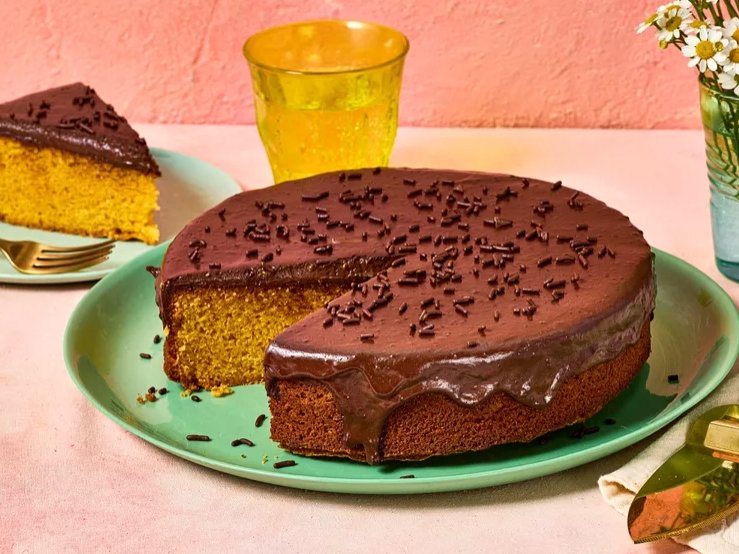
At first glance, bolo de cenoura looks simple—just a golden-orange cake topped with a glossy chocolate glaze. But bite into it, and you’ll discover a tender, smooth-textured cake that manages to be both comforting and elegant. Unlike the rustic, chunky carrot cakes familiar in the U.S.—often packed with grated carrots, nuts, raisins, and coconut—bolo de cenoura is refined. It’s made with pureed carrots, no mix-ins, and is frosted not with tangy cream cheese, but with a decadent chocolate glaze that calls to mind rich ganache or melted fudge.

This cake is a staple in many Brazilian homes, and each family has its own approach—some use a Bundt pan, others a simple sheet pan or round cake pan. The texture can vary slightly depending on the technique, but the soul of the dessert remains consistent: moist, smooth, and beautifully balanced between sweet and savory, soft and rich.


A Family Favorite, Reimagined

The version we’re spotlighting comes from Giovanna Vazquez, a test kitchen contributor based in Birmingham, Alabama, whose Brazilian roots run deep. Her goal was simple: to recreate the bolo de cenoura of her childhood—only better. After lots of testing (and tasting), Giovanna perfected a recipe that walks the line between nostalgia and culinary excellence. The result is a carrot cake that’s just sweet enough, delightfully moist, and perfect as an everyday snack or as a dessert centerpiece.

Rather than taking shortcuts, Giovanna embraces technique. For starters, while some cooks throw everything into a blender—carrots, eggs, flour, and all—she takes a gentler, more deliberate approach. She blends the carrots, eggs, sugar, and oil into a smooth mixture, then hand-whisks the flour, salt, and baking powder in at the end. This method minimizes gluten development, resulting in a light, tender crumb rather than a dense, chewy cake.


The Glaze: A Twist on Brigadeiro

Traditional bolo de cenoura is often topped with a brigadeiro-style glaze—a rich mixture of condensed milk, cocoa powder, and butter, cooked until thick. This same mixture, when cooled, is rolled into fudgy confections known as brigadeiros, a popular Brazilian sweet. For cake, it’s typically poured warm over the surface, forming a shiny chocolate shell once set.

Giovanna’s glaze stays true to those flavors but with a subtle twist: she adds whole milk to the mix. The result is a slightly thinner, more pourable frosting that drapes the cake rather than encasing it. It’s smoother, silkier, and leans more toward chocolate ganache in texture than candy coating. Plus, a pinch of salt sharpens the flavor and prevents the sweetness from becoming overwhelming.

“It’s sweet and milky, and the chocolate is a little more present than in brigadeiro,” Giovanna says. That balance is the key—it enhances the cake rather than competing with it.


A Few Tips for Getting It Just Right

While bolo de cenoura isn’t a difficult cake to make, a few thoughtful techniques can elevate it from good to great:

  • Blend, then whisk: Purée your carrots with eggs, sugar, and oil in a blender until completely smooth. Then, gently whisk in the dry ingredients. Avoid overmixing to keep the cake light and tender.
  • Choose your pan wisely: Giovanna prefers a 9-inch round cake pan, which gives the cake a satisfying height and an elegant presentation. But don’t stress—this recipe is flexible enough to work in other pans too, including Bundt or 9×13-inch.
  • Let the glaze set: As tempting as it is to cut into the cake right away, patience pays off. Allow the glaze to sit for at least 30 minutes. It will firm up just enough to make clean slices, and the flavors will settle into something more harmonious and satisfying.

Why Bolo de Cenoura Deserves a Spot on Your Dessert Table

Bolo de cenoura is the kind of cake that wins people over in an instant. It’s visually unassuming but deeply comforting. It’s easy to make, uses pantry-friendly ingredients, and offers a fresh perspective on what carrot cake can be. It also sidesteps the polarizing elements of American-style carrot cakes—no raisins, no walnuts, no overly rich cream cheese frosting—just smooth, carrot-rich cake and a glossy coat of chocolate.

If you’re looking for a dessert that feels familiar but new, wholesome but indulgent, bolo de cenoura fits the bill. It’s the perfect bridge between tradition and innovation, and a beautiful way to celebrate the humble carrot’s springtime peak.

So go ahead—blend, bake, glaze, and wait. Then take that first forkful of this Brazilian classic. Chances are, you’ll be hooked.

Understanding Coffee Terroir: A Global Flavor Map Through the Cup

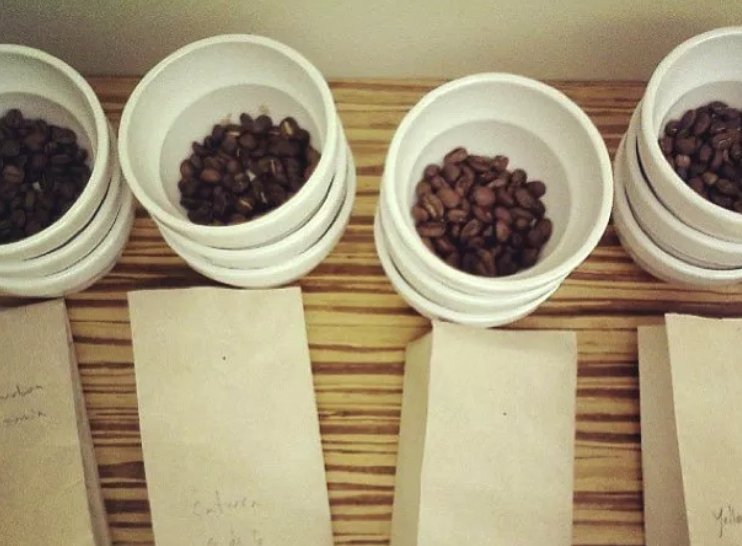
When we talk about coffee, we’re really talking about geography in a cup. Each sip holds a story shaped by altitude, climate, soil, and the hands that harvest and process the beans. The French call it terroir—a term most often used in wine, but increasingly relevant when discussing coffee. It’s the idea that where something grows directly influences how it tastes. While the exact science of terroir in coffee is still evolving, one thing is clear: geography matters.

That said, pinning flavor strictly to a region is tricky. The taste of a coffee isn’t just about where it’s grown. Processing methods, varietals, and local agricultural practices all play pivotal roles. Still, if you spend enough time tasting coffees from around the world, some patterns start to emerge. So while it’s always dangerous to assume, let’s lean into our experience (and yes, a little assumption) to explore what coffees from different corners of the world generally taste like.

Here’s a broad, flavor-driven guide to help you recognize the origins behind your daily brew—starting with Central America, the region that has arguably shaped North America’s coffee palate more than any other.


Central America: A Symphony of Balance

Central American coffee—think Guatemala, Honduras, Mexico, Costa Rica—is often the first love for many coffee drinkers. Not just because of its proximity to the U.S. (which makes it more available), but because of its flavor profile: balanced, approachable, and incredibly versatile.

Most Central American countries share similar growing conditions—high altitudes, volcanic soils, and a seasonally wet climate. Many farmers here also process their coffee in a similar way, using the washed method. This means the coffee cherries are de-pulped and then fermented to remove the sticky mucilage before drying. The result? Clean, crisp flavors with a bright acidity and a pleasant sweetness.

Guatemala

Guatemalan coffees often showcase a malic acidity—think green apple or pear—and a medium body. There’s a comforting warmth to these coffees, with cocoa notes and a subtle pastry-like sweetness. Imagine biting into a warm apple tart: bright, sweet, and toasty all at once.

Honduras

Honduran coffee, while similar to Guatemala in processing and varietals, tends to be a bit softer and nuttier. It may present more of a milk chocolate sweetness, paired with gentle citrus or stone fruit tones.

Mexico

Mexican coffees, particularly those from Chiapas or Oaxaca, often lean into cherry-like acidity with a lighter body and sweet spice. These coffees can be subtle, with floral overtones and a clean finish.

Costa Rica

Costa Rican coffees are a bit of a wildcard thanks to their experimental approach to processing. While washed coffees are common, you’ll also find honey-processed and natural coffees here, leading to a range of profiles from clean and citrusy to jammy and fruit-forward. When washed, Costa Rican coffees tend to offer bright acidity with flavors of red apple, caramel, and nougat.


The Role of Processing and Varietals

One of the reasons Central American coffees often taste alike is the widespread use of the washed process and the regional similarities in varietals (like Caturra, Bourbon, and Typica). These variables—paired with climate and altitude—create that familiar balance of sweet, clean, and fruit-accented flavors.

But shift your gaze across the ocean, and you’ll find very different stories told in your cup.

For example, Kenyan coffees—typically processed using a double fermentation method and grown in red volcanic soil—can have astonishingly bright, tart acidity reminiscent of blackcurrants or tomato. Indonesian coffees, processed using a wet-hulling technique unique to the region, often present as earthy, full-bodied, and rich, with notes of cedar, tobacco, and dried herbs.

So, while Guatemalan and Honduran coffees might be cousins, Kenya and Indonesia are distant relatives raised in entirely different households.


Why Generalizations Can Be Helpful—And Misleading

This guide, like any flavor map, comes with caveats. It doesn’t consider how a coffee is roasted (light vs. dark roast can highlight or mute flavor traits dramatically), nor does it factor in brewing method (a pour-over can coax out nuance, while a French press emphasizes body and depth).

Yet even with these variables, understanding the general tendencies of a region can help you make more informed choices as a coffee drinker. Want something bright and citrusy? Reach for a washed Guatemalan or a high-grown Ethiopian. Craving something cozy and chocolatey? Maybe try a Honduran or a Brazilian.

Think of these generalizations as a starting point, not a destination. The beauty of coffee is in its complexity, its variance, its resistance to being pigeonholed. And just like people, coffees from the same place can be wildly different depending on how they’re raised.


In the End, Taste is the Best Guide

While terroir might nudge a coffee in a certain direction, every bean has its own voice. The more you taste, the more you’ll learn to pick out the whispers of origin in your cup—the apple-like snap of a Guatemalan, the cherry splash of a Mexican, the cocoa hug of a Honduran.

So go ahead. Brew broadly, sip slowly, and let the world come to you—one cup at a time.

Charred Asparagus with Miso Béarnaise: A Fresh Take on a Classic Pairing

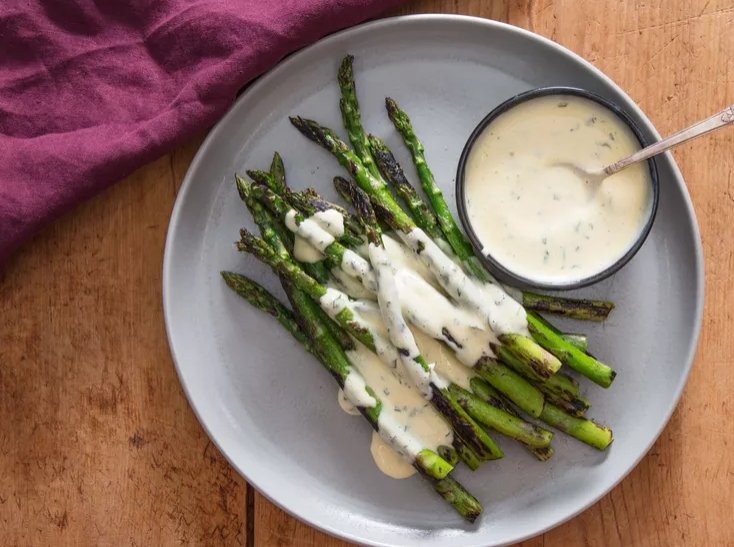
There’s something timeless about the pairing of tender asparagus and a rich, velvety béarnaise sauce. This updated version leans into that tradition while infusing it with a modern, umami-packed twist—white miso. The result? A dish that feels both comforting and contemporary, elegant yet approachable. Whether you’re cooking for a dinner party or simply elevating a weeknight meal, this recipe brings a restaurant-worthy experience to your home kitchen.

A Modern Béarnaise with a Miso Makeover

Classic béarnaise is all about the harmony of tangy reduction, silky egg yolk, and warm butter, bound together in a perfectly emulsified sauce. In this version, white miso plays a quiet but powerful role. Its gentle saltiness and depth of flavor add nuance and body, subtly enhancing the tarragon-laced sauce without overpowering it.

The process begins with a flavor-packed reduction. White wine and white wine vinegar provide a crisp backbone, simmered gently with sliced shallot, whole black peppercorns, and the woody stems of fresh tarragon. This mixture is reduced until almost syrupy, concentrating its punchy aromatics into a few precious tablespoons.

Once the reduction cools slightly, it’s blended with egg yolks and white miso—creating a base that’s ready to transform with a stream of hot, foaming butter. Using an immersion blender makes the emulsification nearly foolproof, resulting in a sauce that’s luscious and spoon-coating, yet still pourable. A final stir of minced tarragon leaves adds brightness and a hint of anise to balance the richness.

It’s worth noting that, like all good béarnaises, this one doesn’t forgive being ignored. It doesn’t reheat well, so aim to serve it within an hour, kept warm in a covered pot.

Asparagus: The Simple Star

Asparagus is one of those ingredients that requires little fuss to shine. Here, it’s treated to a high-heat sear in a cast iron skillet, developing a charred, smoky exterior that contrasts beautifully with its tender interior. The key is to work in batches and avoid crowding the pan—this ensures that the spears sear rather than steam.

A drizzle of neutral vegetable oil partway through the cook helps achieve an even browning and prevents sticking, while a finishing sprinkle of kosher salt and cracked black pepper enhances the natural sweetness of the spears.

Thin spears will take just a few minutes, while thicker ones might need a bit more time. The goal is tenderness with a bit of bite, and just enough char to offer complexity.

Putting It All Together

When served, the contrast between the bright, smoky asparagus and the buttery miso béarnaise is nothing short of sublime. The sauce clings to the vegetables just enough, creating an interplay of textures—crisp edges from the sear, velvety richness from the béarnaise, and herbal notes from the tarragon.

This dish doesn’t demand much in the way of accompaniment. A glass of crisp white wine, maybe a simple roasted potato or two, and you have a plate that feels complete. It’s perfect as a starter, side dish, or even the main event for a light spring supper.

Tips for Success

  • Don’t rush the reduction: Letting the wine and vinegar cook down slowly allows the shallots and peppercorns to infuse deeply.
  • Use an immersion blender: While traditional béarnaise is whisked by hand over a double boiler, this streamlined method ensures stability and ease, especially for those new to emulsified sauces.
  • Temperature matters: The butter must be hot when added to the yolks to create the desired creamy consistency. However, if the sauce thickens too much, a splash of warm water will loosen it right back up.
  • Keep it warm, not hot: Store the finished béarnaise in a lidded pot in a warm spot (like near the stove) if not serving immediately. Reheating can cause the emulsion to break.

Final Thoughts

Charred asparagus with miso béarnaise is more than just a seasonal favorite—it’s a celebration of balance. Smoky, sweet, tangy, rich, and herbaceous, it plays with contrasts in all the right ways. And though the sauce may sound intimidating, it’s surprisingly forgiving with the right tools and a touch of attention.

If you’re looking to elevate your vegetable game or want to wow guests with a sauce they’ve likely never had before, this recipe is your ticket. Familiar yet novel, classic but inventive—it’s a dish that proves the best meals often come from simple ingredients treated with care.

Braciole: A Tender Tradition Wrapped in Flavor and Memory

At first glance, braciole might seem like a simple dish—just meat rolled up with some stuffing and simmered in sauce. But like so many Italian staples, it’s anything but simple. At its heart, braciole belongs to a family of dishes known as involtini—thin slices of meat filled, rolled, and cooked to tender perfection. But beyond that basic structure, braciole becomes a canvas for regional flair, family tradition, and personal taste.

Depending on where you are in Italy—or whose kitchen you find yourself in—braciole can take on entirely different forms. The cut of meat might be pork or beef, the rolls small enough for individual servings or large enough to carve at the table. Fillings range from seasoned breadcrumbs to generous chunks of cheese, ribbons of prosciutto, or fragrant sprigs of fresh herbs. Some cooks pan-fry the rolls to get a good sear, while others go straight to braising, letting time and tomato sauce do the work.

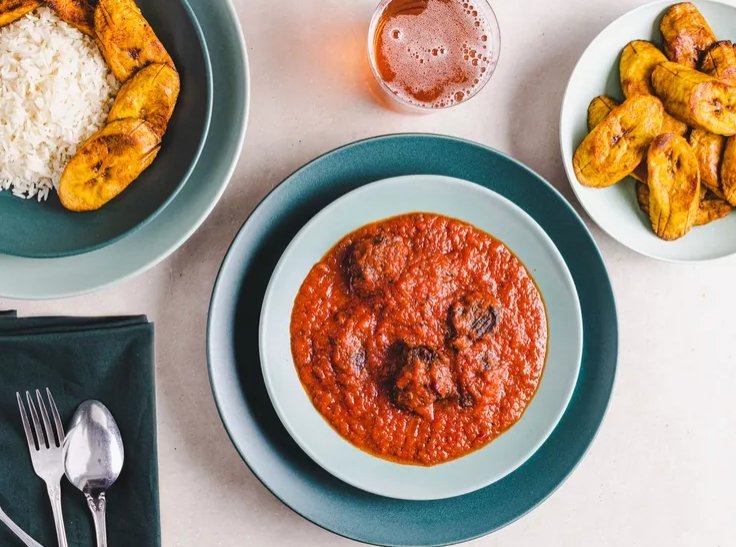
The version I’m sharing here is deeply rooted in the Italian-American experience, shaped by the comforting, communal meals I grew up with in New Jersey. It pulls inspiration from the traditional ragù napoletano, a rich tomato-based sauce that simmers with meat for hours. In that tradition, the meat and the sauce are served separately—the sauce tossed with pasta, the meat sliced and plated on the side, tender enough to fall apart with a fork.

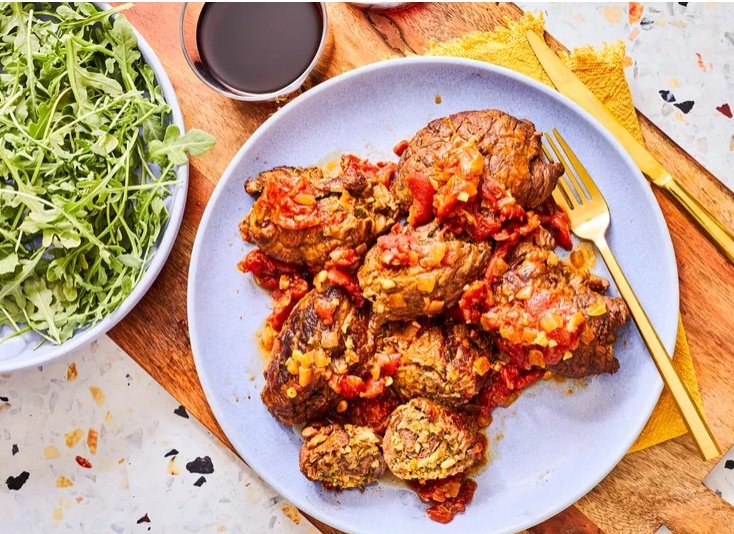
My braciole starts with thinly sliced beef, generously seasoned and layered with a breadcrumb mixture that’s laced with Parmesan, garlic, and herbs. A single, delicate layer of prosciutto adds a touch of salt and depth. Rolled tightly, each bundle is tied off and nestled into a pot of simmering tomato sauce, where it cooks low and slow until every bite is rich and tender. It’s the kind of meal that fills your kitchen with the aroma of home and tradition—and makes everyone slow down at the table.

The Great Beef Debate: Flank vs. Top Round

One of the most passionately debated topics in braciole-making—at least among Italian-Americans—is the cut of beef to use. It’s a culinary crossroads with two main paths: flank steak or top round.

Flank steak, with its broad surface and bold grain, is ideal for creating a large, single roulade. After butterflying and pounding it thin, the filling is spread across the whole slab. Rolled into one impressive roast, it’s braised as a whole, then sliced into rounds for serving. This method not only creates an eye-catching centerpiece but also allows for beautiful spiral cross-sections that show off the layers of meat and filling.

Top round, on the other hand, is often sliced thinner and used for individual braciole—small, single-serving rolls that can be tucked neatly into the pot alongside each other. This version is perfect for portioning and serving, especially in family-style meals where everyone gets their own roll. It’s less dramatic than the whole-roast method, but it’s every bit as satisfying.

Whichever path you choose, the essence of braciole remains the same: good ingredients, slow cooking, and lots of love.

A Dish Worthy of Sunday Supper

Braciole isn’t a quick weekday dinner. It’s a dish that asks for a little time and a little patience—and it gives back in spades. As the meat simmers, the sauce deepens and sweetens, soaking up the flavor of the beef and the cured meat tucked inside. It’s the kind of food that brings people together around the table, that pairs perfectly with a crusty loaf of bread and a glass of red wine, and that somehow tastes even better the next day.

For many Italian-American families, this is Sunday fare—something special, something a little more indulgent, something that reminds you of where you come from. It’s a nod to ancestry, a connection to generations before, and a reminder that food is never just about eating. It’s about remembering, sharing, and creating something lasting.

So whether you’re team flank steak or top round, individual rolls or grand roast, braciole is more than a recipe. It’s tradition wrapped up in meat and tied with string. And when it’s done right, it’s a meal you won’t soon forget.

Skillet Brownies Meet the Grill: A Smoky Twist on a Classic Favorite

There’s something universally comforting about a simple brownie—rich, chocolaty, and endlessly satisfying. But what if we could take that familiar square of goodness and push it just a little further? What if a brownie could hold the spirit of a campfire, with whispers of smoke and hints of heat playing off its deep, dark chocolate soul?

Enter the grilled skillet brownie—a reinvented take on a beloved dessert that goes far beyond the oven. This isn’t just about baking outside; it’s about transforming the brownie into something earthy, complex, and unexpectedly bold.


Brownies with a Side of Smoke

Grilling isn’t typically where we turn for desserts, but it should be. When you introduce fire to chocolate, magic happens. On the grill, a brownie becomes something entirely new—smoke dances into the batter, adding depth and nuance to the flavor. It’s no longer just sweet; it’s layered. And when you pair that natural smokiness with dark chocolate’s bittersweet richness and a whisper of ancho chile? That’s where the real alchemy begins.

Ancho chile doesn’t scream for attention—it hums quietly in the background, warming up the bite just enough to make it memorable. Its subtle heat enhances the chocolate’s earthiness without overwhelming the palate. The result is a brownie that feels familiar but tastes entirely fresh.


Cast Iron: The Unsung Hero

A key part of this grilled brownie’s success comes down to one essential tool: the cast iron skillet. There’s a reason generations have trusted cast iron—it’s reliable, durable, and retains heat like a dream. But on the grill, it’s not just practical—it’s transformative.

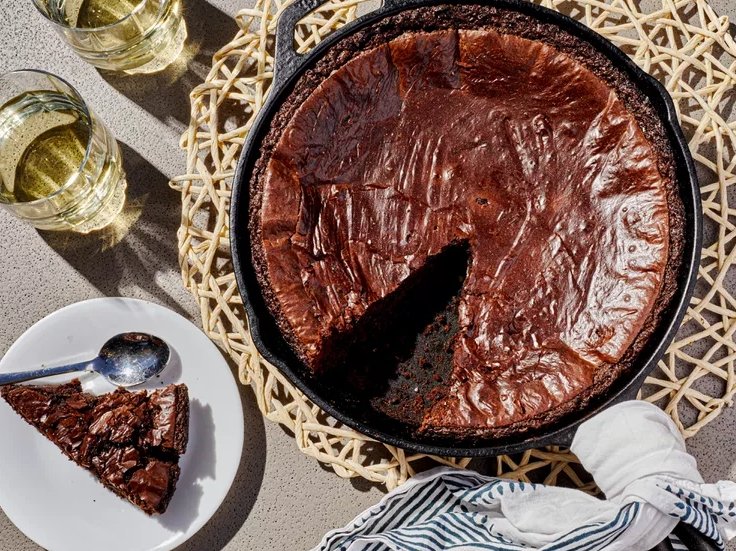
Placed over indirect heat, the skillet acts as a buffer, protecting the brownie batter from harsh flames while still absorbing the warmth necessary to create perfectly textured edges and a gloriously gooey center. The surface crisps just enough to deliver that lightly chewy bite we all love, while the inside stays fudgy and rich.

And then there’s the char. That gentle kiss of smoke on the outer edge? It’s thanks to both the skillet and the grill. The result: every wedge you slice delivers a satisfying contrast of textures and flavors—smoky, crispy, soft, and melty, all at once.


Wood-Smoke Elevation

To take things a step further, adding smoldering wood to the grill is the secret weapon. It turns your basic gas or charcoal grill into a flavor generator. As the brownie bakes low and slow, the wood infuses the batter with aromatic smoke, penetrating each bite with a rustic character you can’t replicate in a traditional oven.

Hickory or cherry wood both work beautifully here—cherry adds a subtle sweetness, while hickory leans into the deep, smoky vibe. Just a handful of wood chips can make the difference between “this is good” and “wow, what is this?”


Dessert Reimagined

What makes this grilled skillet brownie so special isn’t just the ingredients—it’s the experience. Baking outdoors brings a kind of elemental joy to cooking, especially when it’s a sweet ending to a meal that might’ve started with grilled steaks or veggie skewers. The process invites you to slow down, to let the fire do its work while you watch the sun dip behind the trees. It’s rustic, yet refined. Familiar, yet new.

This brownie isn’t just dessert—it’s a conversation piece, a memory maker. It tastes like summer evenings, backyard dinners, and a little bit of culinary adventure. It’s a dessert that embraces contrast: smoke and sweetness, crisp and soft, bold and comforting.


Final Thoughts

Brownies have long been a staple in the dessert world, beloved for their simplicity and decadence. But this grilled version proves they’re also a perfect canvas for experimentation. With just a few thoughtful tweaks—a cast iron skillet, a bit of smoke, and the warmth of ancho chile—you can take the classic to a whole new place.

So next time you’re firing up the grill, don’t stop at the main course. Slide a skillet over the flames, add your brownie batter, toss in some wood chips, and let the grill work its quiet magic. You’ll end up with something more than dessert. You’ll create a smoky, fudgy, unforgettable experience—one wedge at a time.